The Air War in Korea (1950–1953): How Air Power Shaped the First Jet-Age Conflict
Short Overview
The Korean War marked a turning point in military aviation. Between 1950 and 1953, the skies above the Korean Peninsula became the testing ground for jet-powered combat, modern strategic bombing, and advanced air superiority tactics. The conflict introduced the world to high-speed dogfights between aircraft such as the F-86 Sabre and the MiG-15 while demonstrating the strategic importance of air dominance in modern warfare. This article explores how air operations influenced the Korean War, highlighting technological innovation, strategic bombing campaigns, and the lessons that shaped future military aviation.
Table of Contents
- 1. Overview of the Korean War Air War
- 2. The Birth of Jet-Age Combat
- 3. MiG Alley: The Most Dangerous Skies of the War
- 4. Strategic Bombing and Air Support
- 5. Technology and Innovation in the Korean War Air War
- 6. Strategic Impact on the Korean War
- 7. Lessons Learned for Modern Air Warfare
- Top 5 Frequently Asked Questions
- Final Thoughts
- Resources
Overview of the Korean War Air War
The Korean War air war was the first major conflict fought primarily with jet aircraft. When North Korea invaded South Korea in June 1950, the United States and United Nations forces quickly realized that air superiority would play a decisive role in shaping the battlefield.
At the start of the war, UN forces—primarily the United States Air Force (USAF) and U.S. Navy aviation—held a significant advantage in air power. North Korea relied mostly on Soviet-supplied propeller aircraft such as the Yak-9 and Il-10. These aircraft were quickly outmatched by American fighters like the F-80 Shooting Star and F-84 Thunderjet. However, the strategic balance shifted dramatically when Soviet-built MiG-15 jet fighters entered the conflict in late 1950. These aircraft, often flown by Soviet or Chinese pilots, challenged American dominance and turned the skies over northwestern Korea into one of the most contested airspaces in modern history.
Air operations during the Korean War included several critical missions:
- Air superiority missions to control the skies
- Close air support for ground forces
- Strategic bombing of infrastructure and supply networks
- Interdiction of enemy supply routes
These missions demonstrated how air power could shape the tempo and outcome of modern warfare.
The Birth of Jet-Age Combat
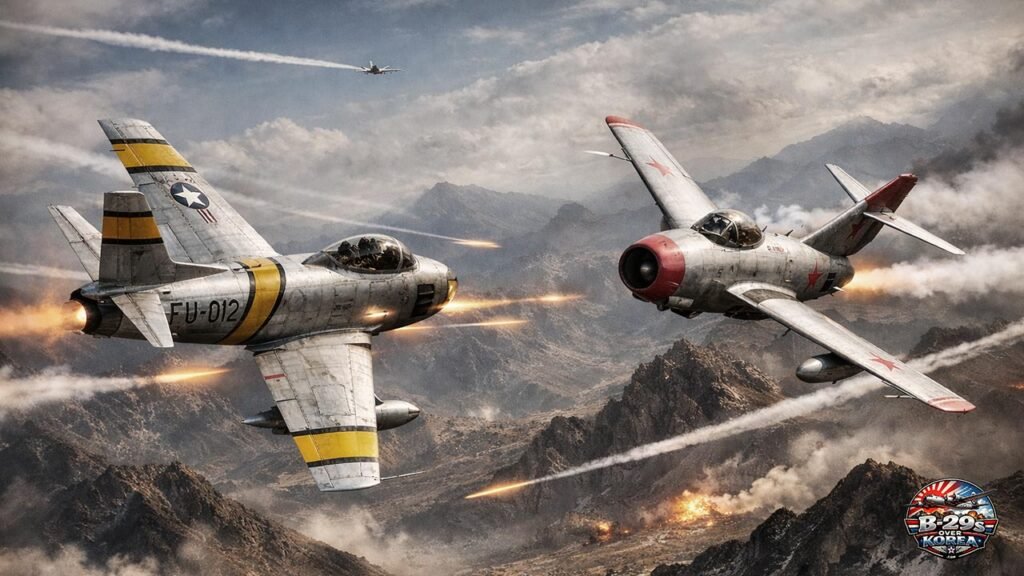
The Korean War air war is widely considered the first true jet-versus-jet conflict in history. Earlier jet aircraft had appeared during World War II, but Korea was the first war where jets dominated the battlefield. The U.S. Air Force initially deployed the F-80 Shooting Star, America’s first operational jet fighter. Although capable, it soon became clear that the F-80 struggled against the faster and higher-flying MiG-15. The MiG-15, designed by Soviet engineers under the direction of Artem Mikoyan and Mikhail Gurevich, represented a major leap in fighter design. It featured swept wings, powerful engines, and heavy armament. These characteristics allowed it to climb faster and operate at higher altitudes than many Western aircraft. To counter the MiG-15 threat, the United States introduced the F-86 Sabre. This aircraft quickly became the dominant American fighter of the war. With its swept-wing design, excellent maneuverability, and advanced gunsight technology, the F-86 proved highly effective in air combat. According to U.S. Air Force records, the F-86 achieved a reported kill ratio of approximately 10:1 against MiG-15 aircraft, though historians debate the exact numbers. The significance of these jet battles cannot be overstated. The Korean War air war forced rapid technological development and permanently changed fighter aircraft design.
MiG Alley: The Most Dangerous Skies of the War
One region of the Korean Peninsula became synonymous with intense aerial combat: MiG Alley. Located in northwestern Korea near the Yalu River, MiG Alley was the primary zone where American and Soviet-supplied fighters clashed. The area earned its name because MiG-15 aircraft frequently operated there from bases in Manchuria.
Several factors made MiG Alley particularly dangerous:
- Proximity to Chinese and Soviet bases
- Frequent patrols by both sides
- High concentration of jet fighters
American pilots flying F-86 Sabres regularly engaged MiG-15 fighters in high-speed dogfights at altitudes exceeding 30,000 feet. Many legendary fighter aces emerged from these battles. Notable American pilots such as Joseph McConnell and James Jabara achieved multiple aerial victories during the war. The intense air combat in MiG Alley demonstrated the importance of pilot training, aircraft design, and radar-guided command systems.
Strategic Bombing and Air Support
While jet dogfights captured headlines, strategic bombing played an equally important role in the Korean War air war. U.S. bombers such as the B-29 Superfortress conducted extensive bombing campaigns targeting North Korean infrastructure. Key targets included:
- Railroads and bridges
- Military bases
- Supply depots
- Industrial facilities
The goal of these bombing campaigns was to disrupt enemy logistics and reduce North Korea’s ability to sustain combat operations. Air support also proved vital for UN ground forces. Close air support missions helped repel enemy advances and provided crucial assistance during key battles, including the defense of the Pusan Perimeter. Aircraft such as the F-51 Mustang and Marine Corps Corsairs provided effective low-altitude attack capabilities. Despite the destructive power of these bombing campaigns, North Korea managed to maintain supply lines through Chinese support and extensive use of night transportation.
Technology and Innovation in the Korean War Air War
The Korean War air war accelerated aviation technology development in several key areas. One major innovation involved radar-guided interception. Ground-based radar allowed air defense units to track enemy aircraft and direct fighters toward targets more efficiently. Another technological advancement involved the use of improved gunsight systems. The F-86 Sabre’s A-1CM radar gunsight allowed pilots to calculate firing solutions automatically, increasing accuracy during high-speed engagements. Aircraft design also evolved rapidly during the conflict. Engineers experimented with swept wings, pressurized cockpits, and new engine designs that significantly increased speed and altitude performance. These innovations helped lay the foundation for the next generation of Cold War fighter aircraft.
Strategic Impact on the Korean War
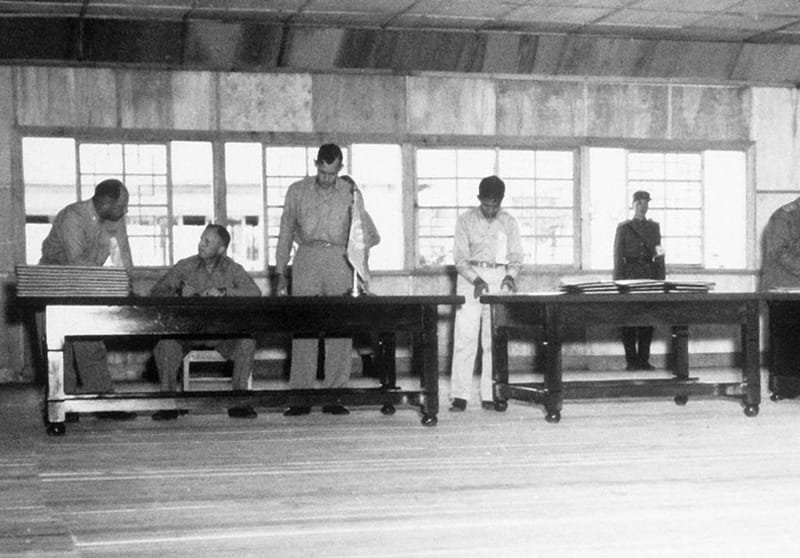
Air power played a crucial strategic role throughout the Korean War. One of the most important achievements of UN air forces was maintaining near-continuous air superiority over most of the Korean Peninsula. This dominance prevented North Korea and China from effectively deploying large-scale air operations. Air power also allowed UN forces to slow enemy offensives and support ground troops during critical defensive operations. However, the Korean War also demonstrated the limits of air power. Despite massive bombing campaigns, air operations alone could not force North Korea or China to surrender. Instead, the war settled into a stalemate that lasted until the armistice agreement in July 1953.
Lessons Learned for Modern Air Warfare
The Korean War air war provided valuable lessons that influenced military strategy for decades. First, the conflict confirmed that air superiority is essential for modern military operations. Control of the skies allows forces to conduct reconnaissance, deliver supplies, and support ground troops effectively. Second, the war highlighted the importance of technological innovation. Aircraft design improvements can dramatically shift the balance of power in aerial combat. Third, pilot training and operational tactics remain critical. Skilled pilots flying advanced aircraft proved decisive in many air engagements. Finally, the war reinforced the importance of integrating air power with broader military strategy. These lessons shaped Cold War doctrine and continue to influence modern air forces around the world.
Top 5 Frequently Asked Questions
Final Thoughts
The Korean War air war represents one of the most significant turning points in aviation history. It was the first time jet fighters engaged in sustained combat, forcing rapid innovation in aircraft design, weapons systems, and aerial tactics. More importantly, the conflict demonstrated that air superiority could shape the outcome of modern warfare. From the high-altitude dogfights of MiG Alley to the strategic bombing campaigns that targeted North Korean infrastructure, air power influenced every phase of the war. The lessons learned during this conflict helped define Cold War military doctrine and still guide modern air force strategy today. As a result, the Korean War remains a critical case study for understanding the evolution of aerial warfare.
Resources
- U.S. Air Force Historical Studies Office
- Smithsonian National Air and Space Museum
- GlobalSecurity.org Korean War Air Operations
- Hallion, Richard. The United States Air Force in Korea 1950–1953.
- Cumings, Bruce. The Korean War: A History.

- MiG Alley - March 13, 2026
- The Air War in Korea (1950–1953) - March 12, 2026
- Korean War Timeline: 1950–1953 - March 11, 2026