
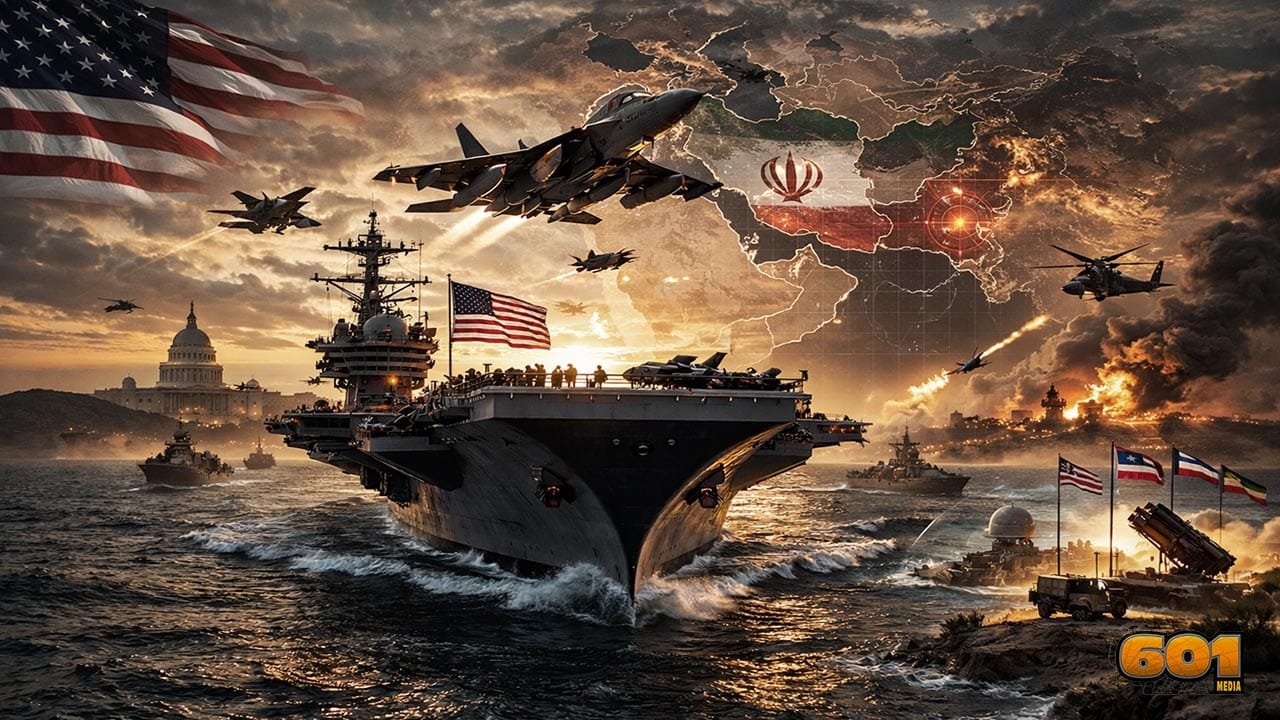
U.S. Military Resolve: Implications of Defense Secretary’s Statement on Iran
“We will defend our people and our allies with overwhelming force, decisively and without apology — the greatest military on earth will prevail.” This quote from the U.S. Secretary of Defense underscores the current posture of the United States regarding Iran and reflects the Pentagon’s commitment to deterrence, strategic readiness, and international alliances in a volatile geopolitical environment. The statement resonates far beyond rhetoric, shaping global perceptions of American military power and strategic doctrine.
Table of Contents
- Context of the Statement
- U.S. Military Capabilities
- Strategic Implications for Iran and the Middle East
- Impact on Alliances and Regional Security
- Global Geopolitical Response
- Future Outlook
- Top 5 Frequently Asked Questions
- Final Thoughts
- Resources
Context of the Statement
The U.S. Secretary of Defense’s remarks come amid heightened tensions with Iran, following a series of regional confrontations and strategic maneuvers. The statement emphasizes deterrence, signaling to both allies and adversaries that the United States is prepared to use its full military capabilities if necessary. Historically, such declarations serve dual purposes: reinforcing domestic confidence in national defense and projecting power internationally to prevent escalation.
U.S. Military Capabilities
The United States maintains one of the most technologically advanced and logistically capable military forces in history. Key areas include:
- Naval Strength: The U.S. Navy operates over 290 ships, including aircraft carriers capable of global power projection.
- Air Superiority: Advanced fighter jets, bombers, and drone capabilities ensure rapid and precise strike potential.
- Cyber Warfare: The U.S. military can conduct offensive and defensive cyber operations to protect national infrastructure and disrupt adversary networks.
- Missile Defense Systems: Integrated missile defense shields provide protection for both homeland and allied territories.
- Rapid Deployment Forces: Special Operations Command and other rapid-response units can project power worldwide within hours.
Strategic Implications for Iran and the Middle East
The Secretary of Defense’s statement sends a clear message that the U.S. will act decisively in the event of aggression. For Iran, this signals:
- Heightened deterrence against attacks on U.S. personnel or allies.
- Pressure on nuclear and missile programs, influencing diplomatic negotiations.
- Potential recalibration of alliances within the Middle East, as regional powers assess U.S. commitment and resolve.
This posture may stabilize certain volatile regions while risking escalation if misinterpreted, highlighting the delicate balance in modern deterrence strategy.
Impact on Alliances and Regional Security
The statement reinforces the credibility of U.S. alliances:
- NATO: Affirms U.S. support for collective defense measures.
- Middle Eastern Allies: Provides reassurance to countries like Israel, Saudi Arabia, and the UAE.
- Global Diplomacy: Demonstrates that U.S. commitments are backed by military readiness, enhancing bargaining power in international forums.
Global Geopolitical Response
International observers often interpret such statements through the lens of deterrence theory. The global response may include:
- European Allies: Mixed reactions, balancing support for security with concerns about escalation.
- Russia and China: Potential strategic recalibration, viewing U.S. posture as a signal of sustained regional influence.
- UN and Multilateral Organizations: Calls for dialogue and restraint often accompany strong military rhetoric.
Future Outlook
Looking ahead, the Secretary’s remarks indicate several key trends:
- Continued U.S. investment in advanced military technologies, especially AI, hypersonic weapons, and cyber capabilities.
- Persistent focus on regional deterrence without direct engagement unless provoked.
- Heightened reliance on strategic communications to shape international perception and reduce miscalculations.
Top 5 Frequently Asked Questions
Final Thoughts
The U.S. Secretary of Defense’s statement is a strong declaration of military resolve that serves as both a deterrent and a reassurance to allies. Beyond mere rhetoric, it highlights the strategic integration of technology, alliances, and intelligence in shaping modern defense policy. The quote reflects an enduring principle: effective deterrence requires a credible demonstration of capability, readiness, and resolve. For policymakers, analysts, and global observers, this statement is a critical lens through which to understand current and future dynamics of U.S.-Iran relations and broader Middle East security architecture.
Resources
- Reuters: Pentagon Remarks on Iran
- U.S. Department of Defense Official Releases
- Council on Foreign Relations: Middle East Security
- CSIS: Military Strategy and Deterrence Analysis

- U.S. Military Strategy and Iran - March 3, 2026
- You didn’t think about fear once the wheels left the runway - February 23, 2026
- B-29 Night Missions – Courage in the Cold Korean Sky - February 16, 2026