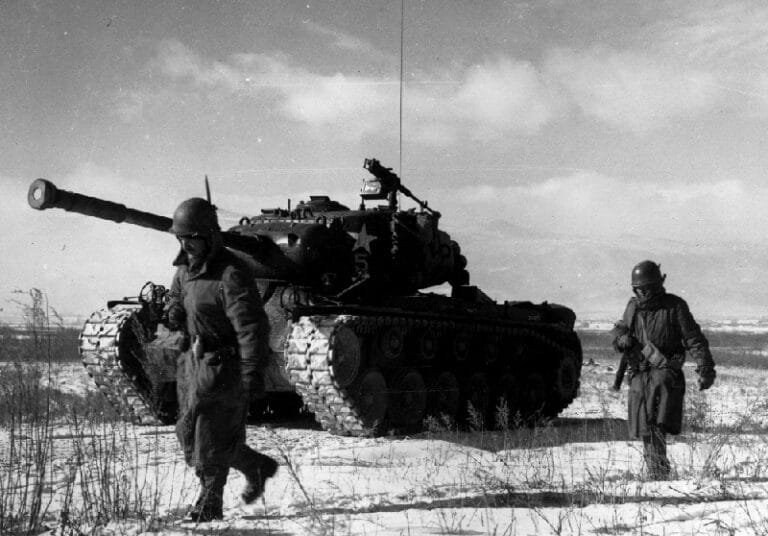

The Battle of Chosin Resevoir
The Korean War, which lasted from 1950 to 1953, was a brutal conflict that resulted in the deaths of millions of people, including soldiers and civilians. One of the most notorious battles of the war was the Battle of Chosin Reservoir. The battle began on November 27, 1950, when approximately 30,000 Chinese troops attacked the 15,000 American and United Nations forces who were stationed at the
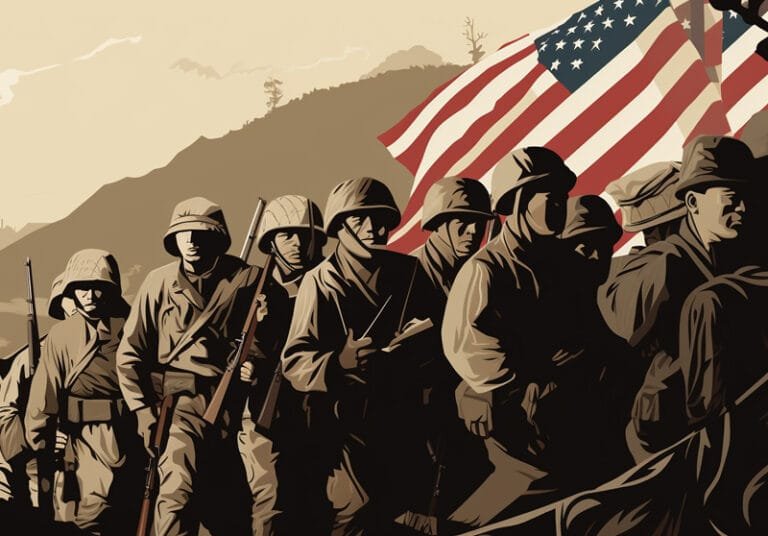
What role did The United States Marines play in the Korean War?
The United States Marine Corps played a crucial role in the Korean War (1950-1953). The Marine Corps was involved in many of the major battles of the war, and its contributions were essential to the success of United Nations forces. In this article, we will explore the role of the Marine Corps in the Korean War. The Inchon Landing: One of the most significant contributions of

General Douglas MacArthur The Korean War Commander
General Douglas MacArthur was the commander of United Nations (UN) forces during the Korean War, serving from July 8, 1950, until April 11, 1951. He was an accomplished military strategist with a distinguished record in World War II, having commanded Allied forces in the Pacific theater. Despite his successes, MacArthur’s tenure as commander during the Korean War was marked by controversy and ultimately led to his
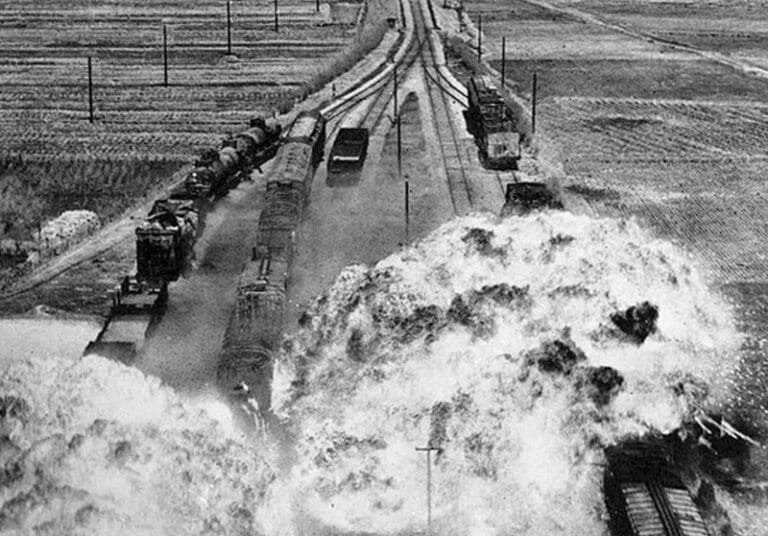
What were the biggest blunders and failures of the Korean War?
The Korean War was a devastating conflict that had major implications for both Korea and the rest of the world. While there were many successes and achievements during the war, there were also several blunders that had significant consequences. In this article, we will explore some of the biggest blunders of the Korean War. The Failure to Establish Air Superiority: The Korean War began with a
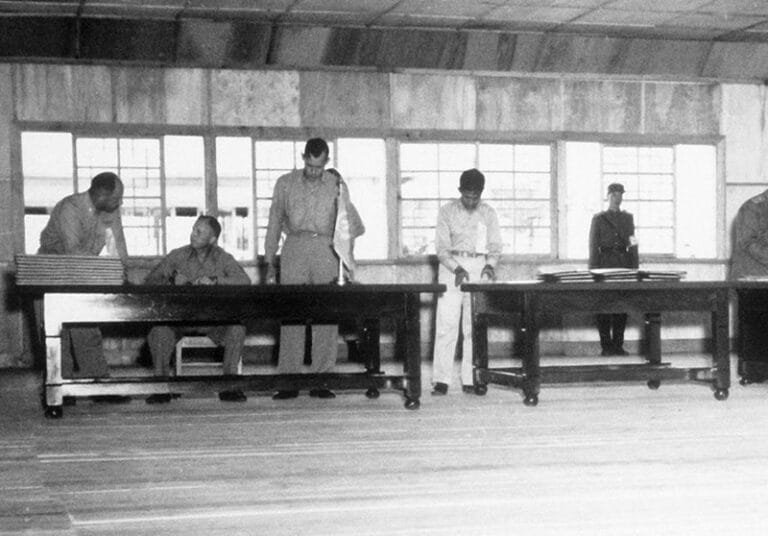
The end of the Korean War
The Korean War, which lasted from 1950 to 1953, officially ended with the signing of the Armistice Agreement on July 27, 1953. The agreement was signed by General Mark W. Clark of the United Nations Command, Lieutenant General Nam Il of the Korean People’s Army, and Peng Dehuai of the Chinese People’s Volunteer Army. The agreement was the result of several years of negotiations between the
What started the Korean War?
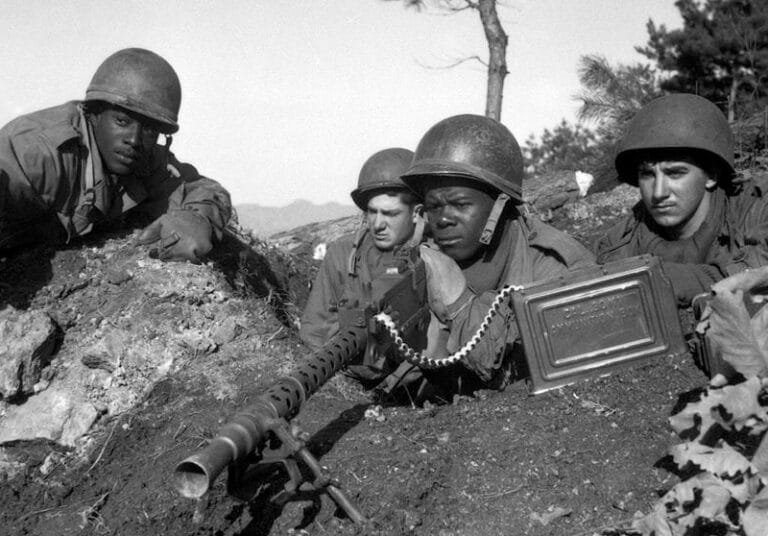
The Korean War was a major conflict that lasted from 1950 to 1953 and had far-reaching consequences for the Korean peninsula, the United States, and the global community. The war began when North Korean forces invaded South Korea, but the reasons for the invasion are complex and have been the subject of much debate among historians. One of the main factors that led to the Korean

What did Agent Orange do to humans?
What is Agent Orange? Agent Orange was a herbicide mixture used by the U.S. military during the Vietnam War. The chemical mixture contained dioxin, a highly toxic substance that has been linked to various health problems, including cancer and birth defects. The U.S. military sprayed millions of gallons of Agent Orange over large areas of Vietnam, Laos, and Cambodia in an effort to destroy the dense

A Complete History of the North Korean Navy
North Korean Submarines Must Be Considered A Threat To The U.S. and the sinking of the South Korean Ship The navy of North Korea was established on June 5, 1946. The Navy strength in the 1990s was about 40,000 to 60,000; current strength is about 46,000. There are some 708 vessels including 3 frigates and 70 submarines: approximately 20 Romeo class submarines(1,800 tons), 40 Sang-O class
A Patriotic American
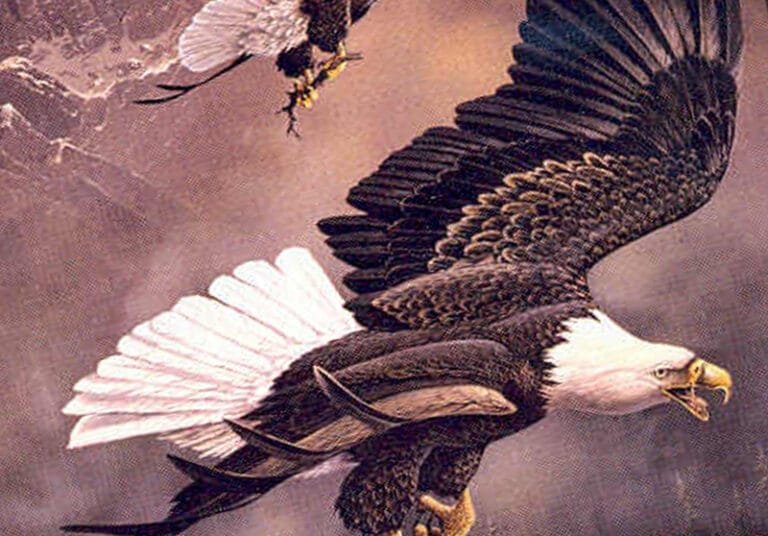
Yes, I love this country. At one time it stood for honor, decency, and respect. I am proud to be a patriotic American. I love America. I risked my life 50 times in the Korean War, and if given the chance I would gladly do it again. No, I do not agree with the many decisions made to engage in a war with Vietnam and Korea.
North Korea and its Military by CBC News
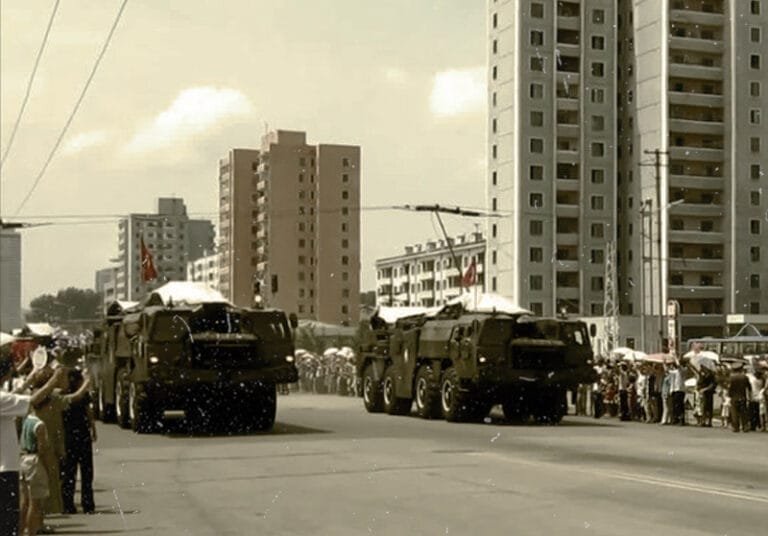
Its people are among the most isolated, although those living in big cities are becoming used to seeing foreigners. Its economy is among the most controlled, although recent floods and famines have convinced the government to experiment with aspects of a market economy. The Democratic People’s Republic of Korea has had only two rulers in the past 50 years. Kim Il Sung ruled the country from

North Korea’s Global Ripple Effect
As North Korea continues to build its nuclear program, how will its defiance of the international community impact world events? By Robert R. Farrell In a move possibly timed to coincide with America’s Day of Independence, North Korea ratcheted up already simmering tensions with the United States by test-firing six ballistic missiles. The next day, it launched a seventh—a long-range missile said to be capable of
What were the Korean War casualties?
The Korean War was a conflict fought between 1950 and 1953 in the Korean Peninsula, which resulted in significant casualties on both sides. The war was fought between North Korea, supported by China and the Soviet Union, and South Korea, supported by the United Nations, which was largely made up of forces from the United States and other countries. Estimates of the number of casualties suffered
What were the B-29 Superfortress design features?
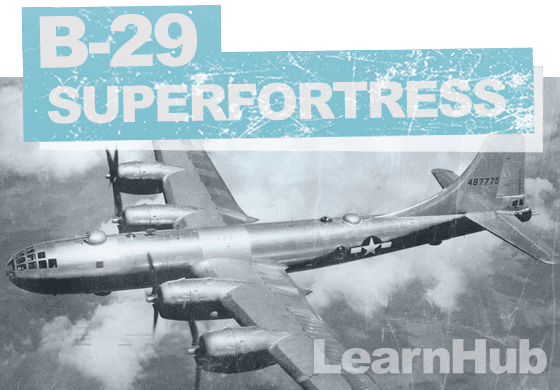
The B-29 Superfortress was a heavy bomber aircraft developed by Boeing in the 1930s for the United States military. It was designed to be a long-range strategic bomber capable of delivering a large payload of bombs over long distances. Some of the key design features of the B-29 include: Pressurized cabin: The B-29 was the first production aircraft to feature a pressurized cabin, which allowed the
What were the B-29 Superfortress capabilities?
The B-29 Superfortress was a heavy bomber aircraft used by the United States military during World War II and the Korean War. It was developed by Boeing and was one of the largest aircraft of its time, with a wingspan of over 141 feet and a length of 99 feet. Some of the key capabilities of the B-29 include: High-altitude strategic bombing: The B-29 was designed
What did the B-29 have for electronics?
The B-29 Superfortress was equipped with a range of sophisticated electronics systems to support its various missions, including navigation, communication, and bombing. Some of the key electronic systems used on the B-29 include: Navigation: The B-29 was equipped with a number of navigation systems, including a radar altimeter, a radar-based bombing system, and a celestial navigation system. These systems helped the crew to accurately navigate over
What engines are on the B-29 Superfortress?
The B-29 Superfortress was a four-engine heavy bomber aircraft used by the United States during World War II and the Korean War. It was powered by four Wright R-3350 Duplex-Cyclone radial engines, each producing around 2,200 horsepower. The R-3350 was a large, powerful engine that was used on a number of different aircraft during the 1940s and 1950s, including the B-29, B-50, and P-47. It was
Why was a B-29 Tail Gunner a dangerous job?
A B-29 tail gunner was dangerous for several reasons. First and foremost, the position involved operating the defensive weapons systems on the tail end of the aircraft, which meant that the gunner was often targeted by enemy fighters. In addition to being exposed to enemy fire, B-29 tail gunners also had to contend with the challenges of working in a cramped and noisy environment while being
What was the Korean War?
The Korean War was a conflict that took place on the Korean Peninsula from 1950 to 1953. It was fought between North Korea, which was supported by the Soviet Union and China, and South Korea, which was supported by the United States and other Western powers. The war arose from tensions between the two Koreas, which had been divided along ideological lines following World War II.
What did the B-29 Tail Gunner do during the Korean War?
During the Korean War, B-29 tail gunners were responsible for operating the defensive weapons systems on the tail end of the aircraft and protecting the plane from enemy fighters. These gunners often worked in extremely cold and cramped conditions, and were exposed to high levels of noise and vibration during flights. Life as a B-29 tail gunner was often very dangerous, as they were frequently targeted
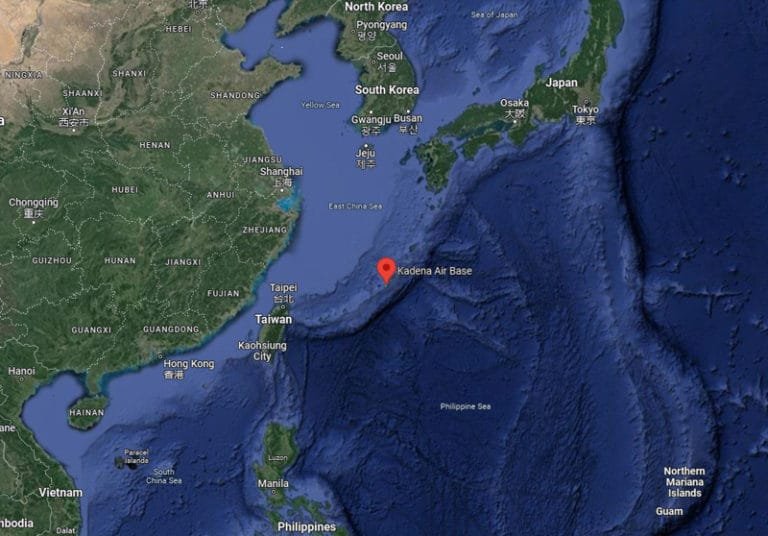
Jets Shoot Down Crippled B-29 in China Sea after Crew Jumps
This story provided courtesy of William F. (Bill) Welch Official USAF News Release HQ.TWENTIETH AF, Okinawa. A flight of F-80 jet-propelled fighter-interceptor aircraft shot down a B-29 aircraft of the 31st Photo Reconnaissance Squadron 15 miles out in the China Sea at sunset Friday night after a 12-man crew had bailed out over Kadena Air Base in a tense drama witnessed by hundreds of spectators. THE



