Quote of the Week: Remembering B‑29 Airmen
Honoring the personal courage and stories of B‑29 airmen brings history to life, reminding us that heroism is often measured not only by achievements but by sacrifice. Each week, as we reflect on these men, we remember the flights that defined World War II and the bravery that allowed countless missions to succeed against overwhelming odds. This article explores the human side of B‑29 airmen, their daily lives, the challenges they faced, and the lasting legacy of their courage.
Table of Contents
- Introduction: The Legacy of B‑29 Airmen
- Training and Preparation: Forging Courage
- Combat Missions: Stories from the Skies
- Personal Stories of Heroism
- Challenges and Sacrifice
- Legacy and Remembering the B‑29 Airmen
- Top 5 Frequently Asked Questions
- Final Thoughts
- Resources
Introduction: The Legacy of B‑29 Airmen
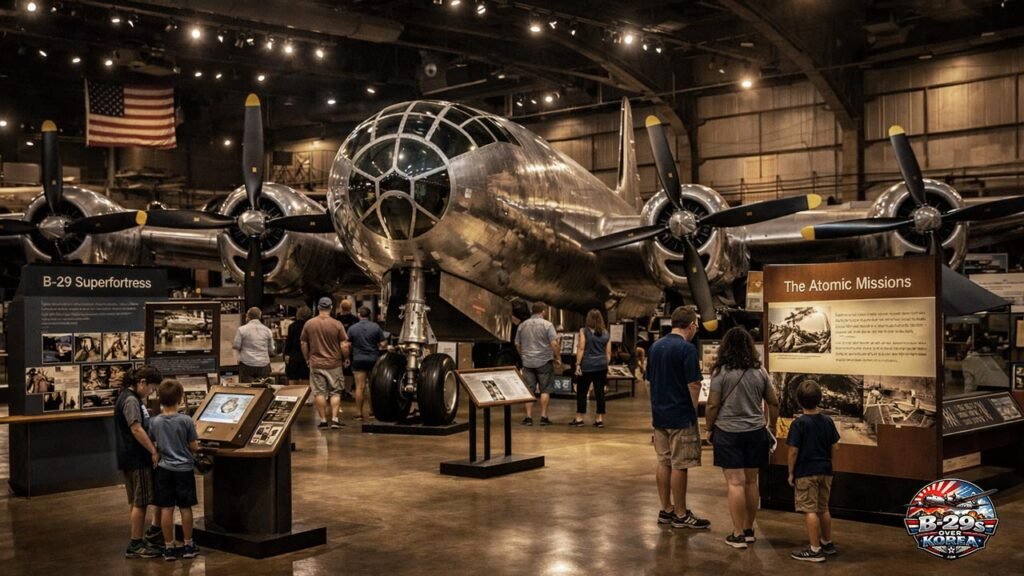
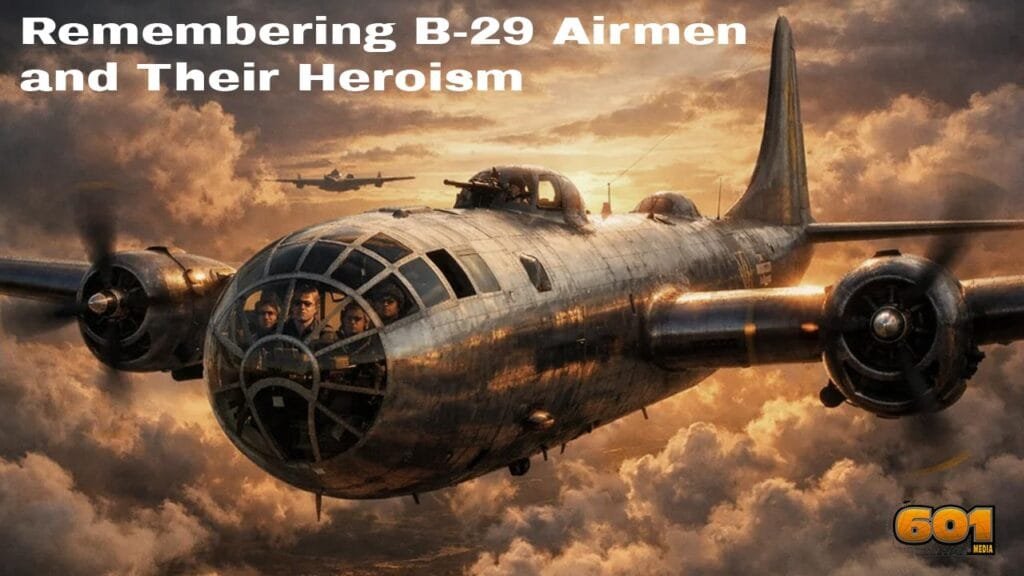
The Boeing B‑29 Superfortress was a marvel of engineering and ambition during World War II. Pilots and crew faced daunting missions over the Pacific, flying unarmed skies at altitudes exceeding 30,000 feet. While the aircraft itself was groundbreaking, it was the airmen who turned engineering into action. Their stories reveal courage, innovation, and resilience under extreme pressure.
The B‑29 airmen were not just pilots; they were navigators, bombardiers, gunners, and mechanics who collectively ensured the success of missions critical to the war effort. Understanding their legacy requires exploring both the aircraft and the human spirit that powered it.
Training and Preparation: Forging Courage
Becoming a B‑29 airman was a rigorous process. Training programs were intensive, covering high-altitude navigation, long-duration flight endurance, and emergency combat scenarios. Airmen had to master not only technical skills but also teamwork. Instructors emphasized adaptability, as missions often required on-the-fly decisions that could mean life or death.
One example is the specialized gunnery training for crew members. Operating remote-controlled gun turrets required precision, calm under pressure, and rapid target acquisition. Pilots practiced formation flying to minimize losses and ensure mission success. These preparations were vital, as B‑29 missions frequently spanned thousands of miles across the Pacific, often into hostile airspace.
Combat Missions: Stories from the Skies
B‑29 airmen participated in missions that tested both skill and resolve. From strategic bombings to reconnaissance flights, each mission carried immense risk. High altitudes, mechanical failures, and enemy defenses meant that even routine missions demanded extraordinary courage.
A notable operation was the firebombing campaign over Japan in 1945. Crews faced anti-aircraft fire, unpredictable weather, and the psychological burden of targeting cities. Despite the horrors, B‑29 airmen carried out these missions with remarkable professionalism. Many surviving crew members recalled the intense camaraderie and trust required to fly as a unit, knowing that each member’s life depended on the other.
Personal Stories of Heroism
Beyond tactics and training, the human element defined the heroism of B‑29 airmen. For instance, Lieutenant James “Jimmy” Doolittle, a bombardier, made split-second decisions that saved his crew when engine failure threatened a mid-mission crash. His actions exemplified calm under pressure and a commitment to protecting his team above all else.
Other stories include gunners who maintained vigilance despite frostbite and exhaustion, mechanics who repaired aircraft mid-flight, and navigators who guided planes through dangerous, uncharted skies. Each story reflects courage not only in combat but in daily dedication to duty.
One poignant account is of a crew that survived a near-fatal encounter with Japanese fighters over the Philippines. Injured and flying a damaged plane, they navigated over 500 miles to safety. Their survival was not just skill—it was grit, determination, and trust in one another.
Challenges and Sacrifice
The B‑29 airmen endured extreme physical and emotional strain. Flying at altitudes above 30,000 feet exposed crews to freezing temperatures and oxygen deprivation. Long missions lasting over 12 hours tested endurance and mental resilience. The constant threat of enemy fighters, anti-aircraft fire, and mechanical failures meant that every flight was a high-stakes gamble.
Many airmen never returned home. Records show that B‑29 missions had higher casualty rates than many other aircraft in the Pacific Theater. Families waited anxiously for news, while crews grappled with survivor guilt and trauma that lasted decades. Their sacrifices were both immediate and long-term, shaping the lives of those who served and the historical memory of World War II.
Legacy and Remembering the B‑29 Airmen
Remembering B‑29 airmen is about more than commemorating historical milestones; it is about honoring bravery and humanity under extreme conditions. Museums, memorials, and veteran associations preserve the stories of these men, ensuring that their heroism is not forgotten. Annual remembrance events highlight both individual stories and collective courage.
Quotes from surviving airmen often capture the essence of their service: the camaraderie, the fear, the pride in completing missions, and the solemn acknowledgment of those lost. These narratives remind us that history is personal and that heroism often manifests in everyday choices and sacrifices made under extraordinary circumstances.
Top 5 Frequently Asked Questions
- Who were the B‑29 airmen? They were the pilots, navigators, bombardiers, gunners, and crew members who operated the B‑29 Superfortress during World War II, primarily in the Pacific Theater.
- What made B‑29 missions so dangerous? High-altitude flying, long distances, enemy fighters, anti-aircraft fire, mechanical failures, and extreme weather made every mission perilous.
- Can you share a story of heroism among B‑29 crews? One crew survived a mid-flight engine failure and navigated over 500 miles to safety, demonstrating courage, teamwork, and determination.
- How are B‑29 airmen remembered today? Through museums, veteran associations, memorials, annual remembrance events, and historical accounts of their missions and sacrifices.
- Why is it important to honor B‑29 airmen? Remembering their service preserves historical memory, highlights human courage, and educates future generations about the sacrifices made during WWII.
Final Thoughts
The stories of B‑29 airmen are more than historical anecdotes—they are testimonies to human resilience, teamwork, and bravery under extreme conditions. Each mission they flew, each decision made in high-altitude skies, contributed to a larger story of courage that resonates even today. By remembering these men, their sacrifices, and their heroism, we honor the values of duty, perseverance, and selflessness. Their legacy reminds us that heroism often lies in ordinary individuals facing extraordinary circumstances.
Resources
- National Museum of the U.S. Air Force – Boeing B‑29 Superfortress
- History.com – B‑29 Superfortress Overview
- National Archives – U.S. Air Force Records
- American Air Museum in Britain – B‑29 Missions and Stories

- Inside Two Wars: The Untold Stories of B‑29 Airmen - March 9, 2026
- B‑29 Museums in the U.S. - March 7, 2026
- The Enduring Power of USA Air Superiority - March 5, 2026